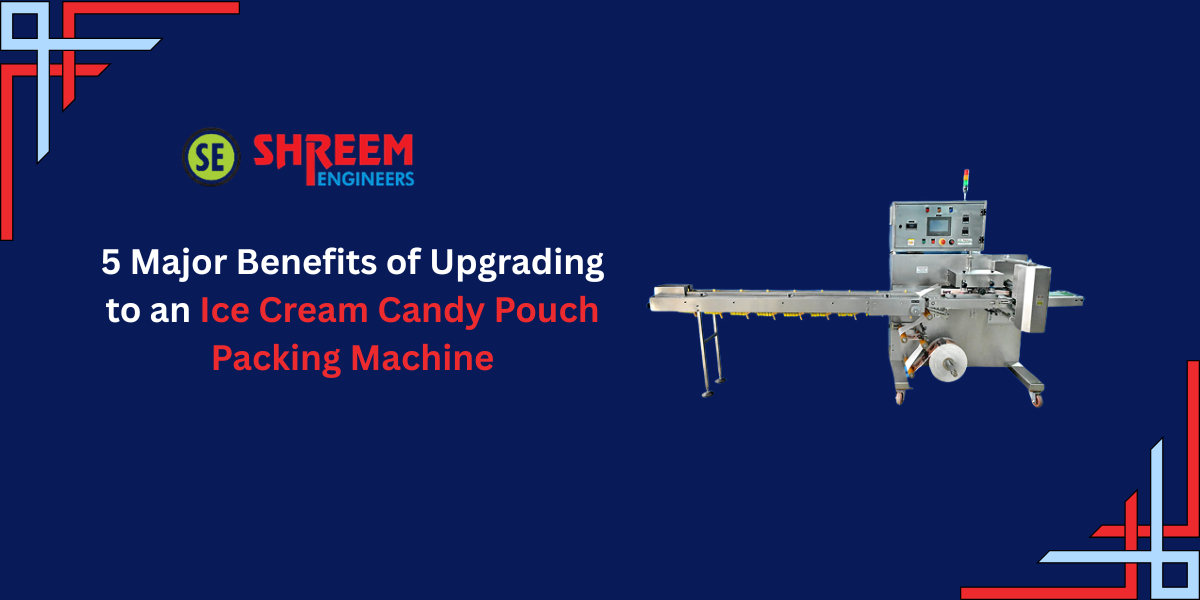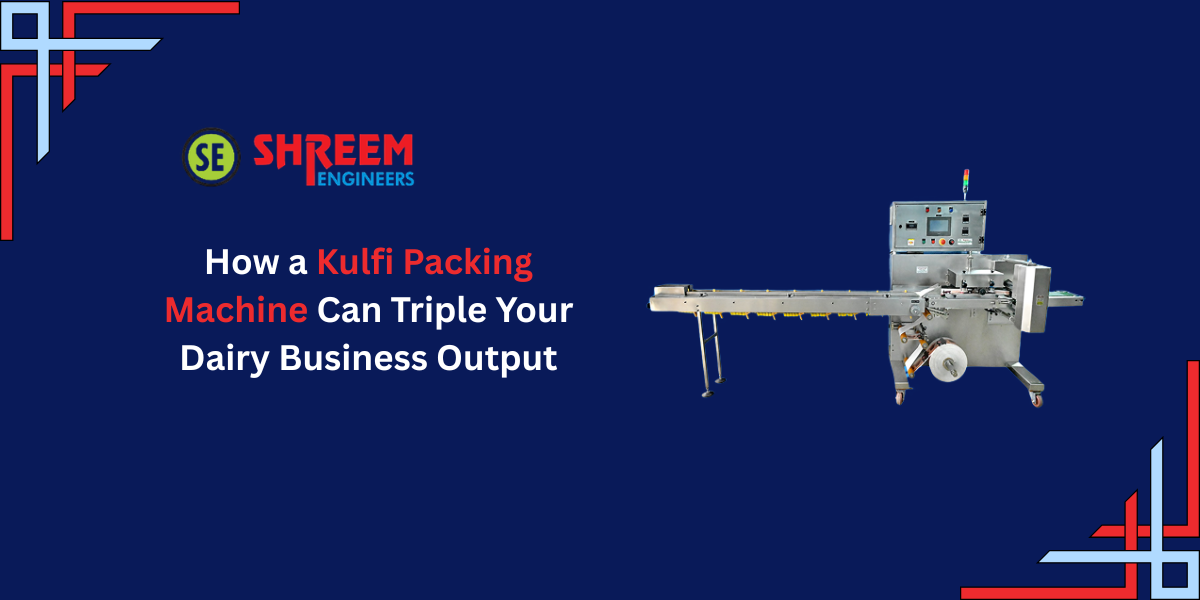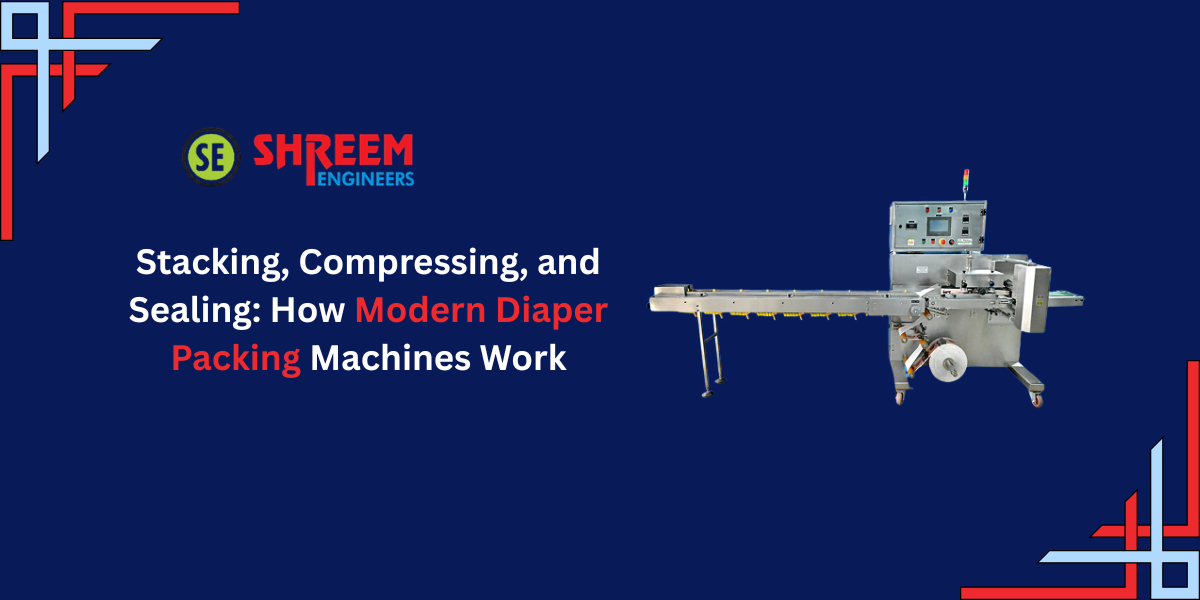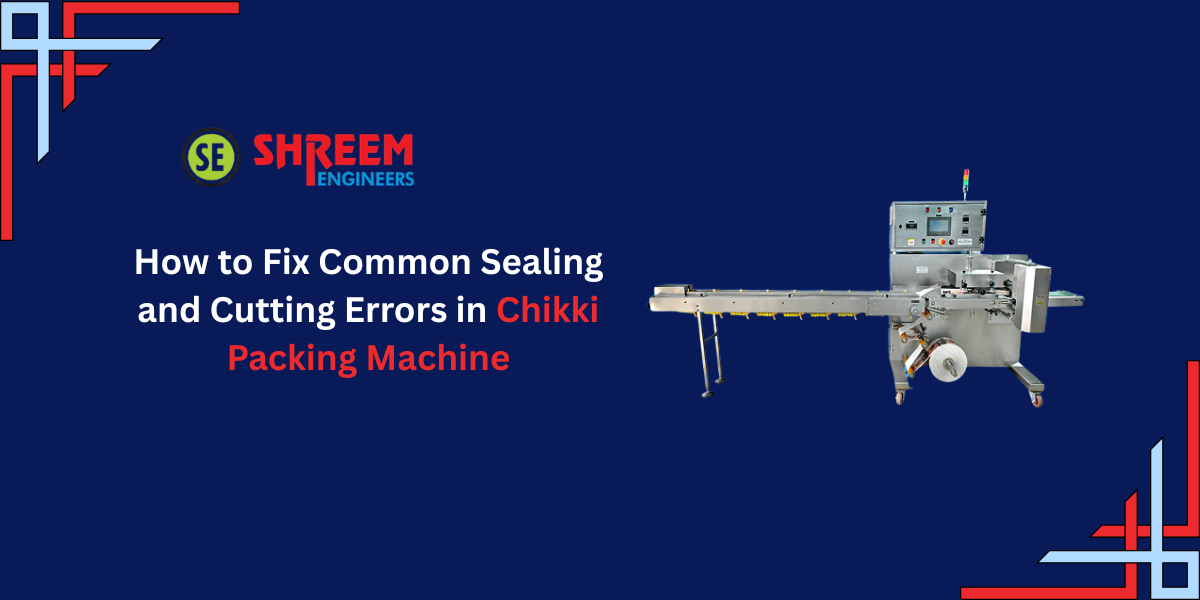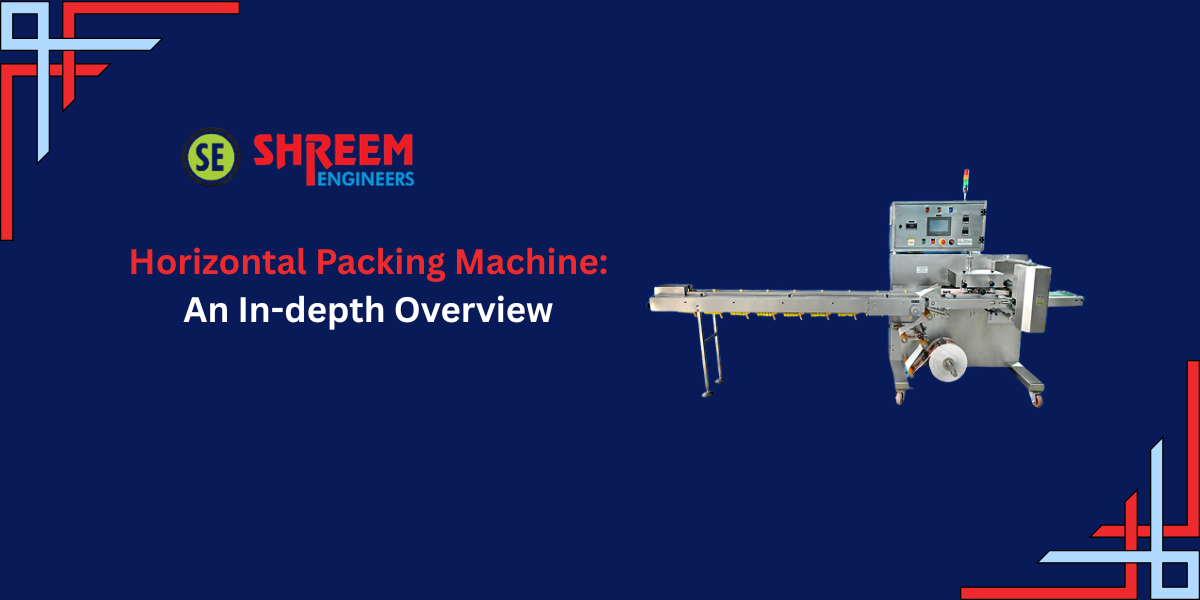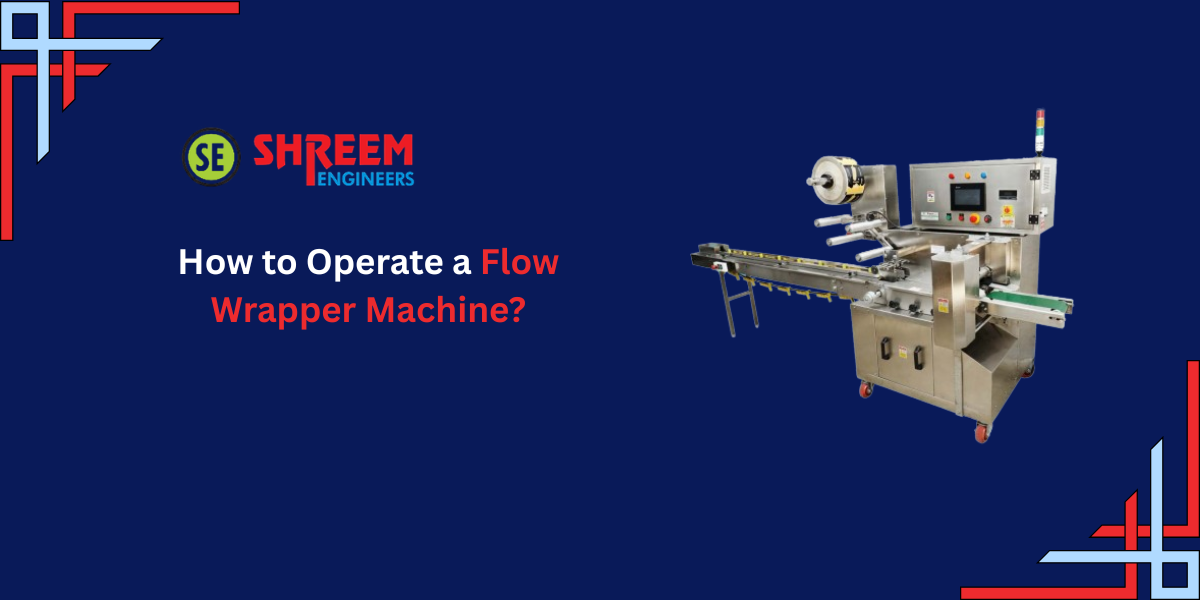
A horizontal packing machine wraps and seals a product as it moves sideways through the equipment, forming a flat pack at the other end. That sideways motion is what sets it apart from vertical packing systems.
A spice manufacturer near Nashik used to pack pouches by hand, and quality swung from one batch to the next. After moving to a horizontal packing machine, every pouch came out the same weight, same seal, same look, run after run.
What Is a Horizontal Packing Machine?
It’s equipment that forms, fills, and seals a product while it travels flat through the line, instead of dropping vertically into a bag.
The product sits on a conveyor while film unrolls and wraps around it from below. As it moves ahead, the film folds over the top and seals lengthwise, then gets cut and sealed at both ends. None of it stops for individual units – the whole thing runs continuously.
- Suited for solid or semi-solid products that hold their shape
- Works well for biscuits, soaps, bars, and boxed items
- Produces a flat-pack finish rather than a pouch or bag shape
How Does a Horizontal Packing Machine Work Step by Step?
Three stages, really – film forming, lengthwise sealing, and cross sealing at fixed intervals.
First, the product lands on a flighted conveyor or feeding system. Film wraps around it from a roll sitting below the line. As the wrapped product moves forward, a fin seal closes the bottom seam, and cross-seal jaws cut and seal each end while the next product enters the cycle.
Why Do Industries Prefer a Horizontal Packing Machine Over Manual Packing?
Mostly because it delivers consistent speed, uniform seals, and a lot less product handling than manual lines ever manage.
Manual packing depends on how fast and alert each worker stays through a shift, and that drops off by hour three. A horizontal packing machine doesn’t get tired, and that shows up directly in product quality.
- Cuts down labour dependency for repetitive packing tasks
- Reduces film wastage from uneven manual wrapping
- Pushes output up without adding extra shifts or staff
What Types of Products Suit a Horizontal Packing Machine Best?
Flat, rigid, or semi-rigid products suit it best, since they keep their shape moving through forming and sealing.

Biscuits, soap bars, chocolate, stationery, and small boxed goods all run fine on this format. Anything too soft or oddly shaped sometimes needs extra tooling or a different approach altogether.
- Biscuits and cookies
- Soap and personal care bars
- Chocolate bars and confectionery
- Stationery and small retail goods
Which Features Make a Horizontal Packing Machine More Efficient?
Servo-driven controls, adjustable sealing pressure, and quick-change tooling make the biggest difference day to day.
Older mechanical machines need constant manual tweaking as speed or product size shifts. Servo systems on a modern horizontal packing machine adjust on their own, cutting the downtime that used to eat into every shift.
- Servo-controlled film feed for steady tension
- Adjustable jaw pressure so seals don’t tear or go loose
- Quick-change parts for switching between product sizes
- Control panels simple enough that you don’t need a specialist standing by
How Do You Choose the Right Horizontal Packing Machine for Your Business?
It comes down to your product size, the output speed you actually need, and the film types you plan to run.
A machine built for small, light items struggles with bulkier products, and the reverse holds too. Getting this right before buying saves a lot of rework and wasted money later.
- Confirm the product dimension range the machine supports
- Check film compatibility – BOPP, PVC, or laminate options
- Match speed to your real daily output, not just the peak number on the brochure
- Ask how long changeover takes for multiple product sizes
Where Can You Source a Reliable Horizontal Packing Machine?
From a manufacturer who actually understands both the mechanical build and what happens on a busy production floor.
Shreem Engineers builds horizontal packing machines for Indian manufacturing conditions, covering everything from film handling to seal consistency over long runs. Their machines are built to scale with growing output rather than needing replacement within a couple of years.
Before finalising anything, ask to see the machine run with your actual product. A standard demo sample won’t tell you much.
For efficient wrapping of biscuits, soaps, chocolates, and other solid products, explore Shreem Engineers’ Horizontal Flow Wrapping Machine built for consistent sealing and smooth production output.
Frequently Asked Questions
Q1. What is the main advantage of a horizontal packing machine over vertical systems?
It suits rigid and semi-rigid products better, producing a flat, consistent pack shape that vertical systems can’t match for these items.
Q2. Can a horizontal packing machine handle multiple product sizes?
Yes, most modern machines support quick tooling changes, letting different product sizes run on the same line with little downtime.
Q3. Is a horizontal packing machine suitable for small-scale manufacturers?
Yes, several manufacturers offer compact versions built for smaller volumes and tighter floor space.
Q4. What film types work with a horizontal packing machine?
Most support BOPP, PVC, and laminate films, though exact compatibility depends on the model.
Q5. How much training does an operator need for a horizontal packing machine?
Most operators pick up the basics within a few days, especially on machines with simple, user-friendly controls.
Follow us on YouTube to see how a horizontal packing machine forms, seals, and cuts clean packs for biscuits, soaps, chocolates, and other products.