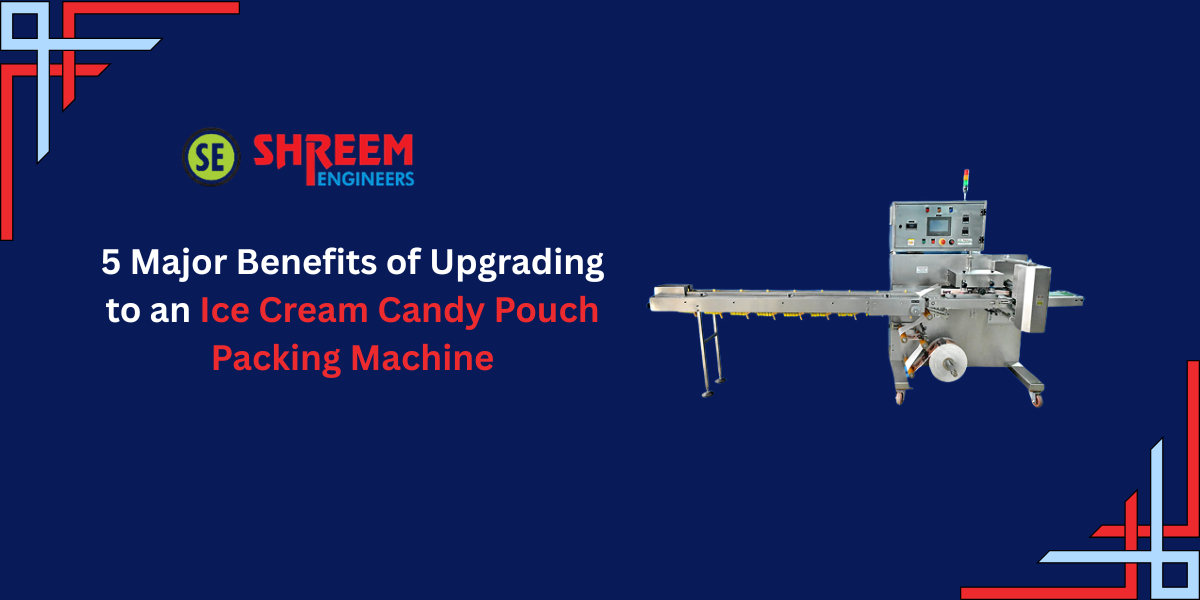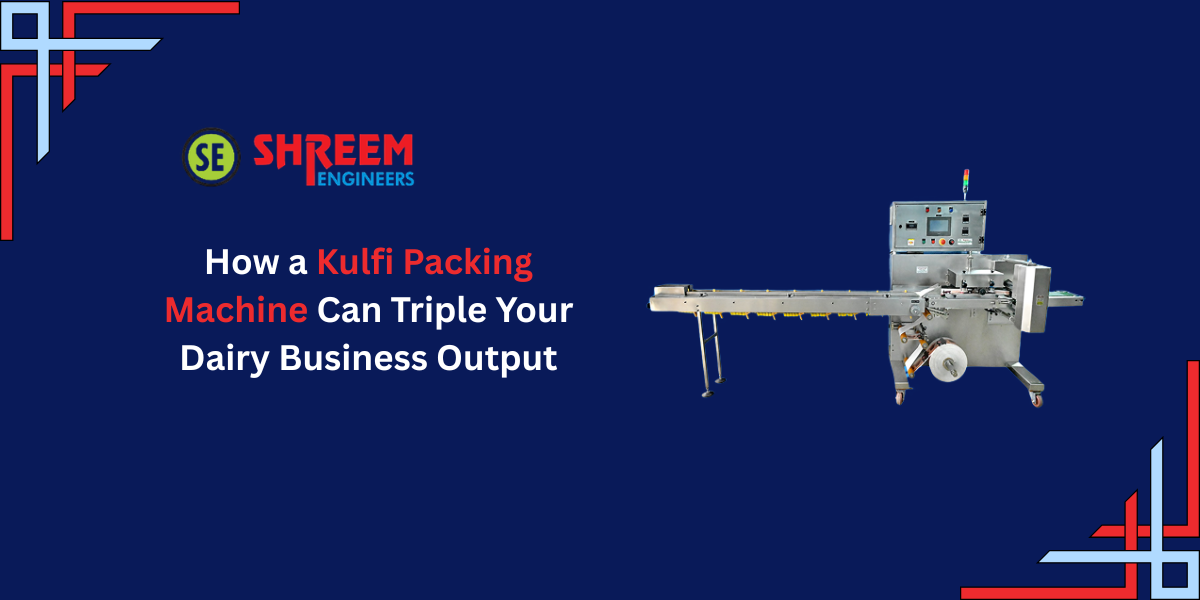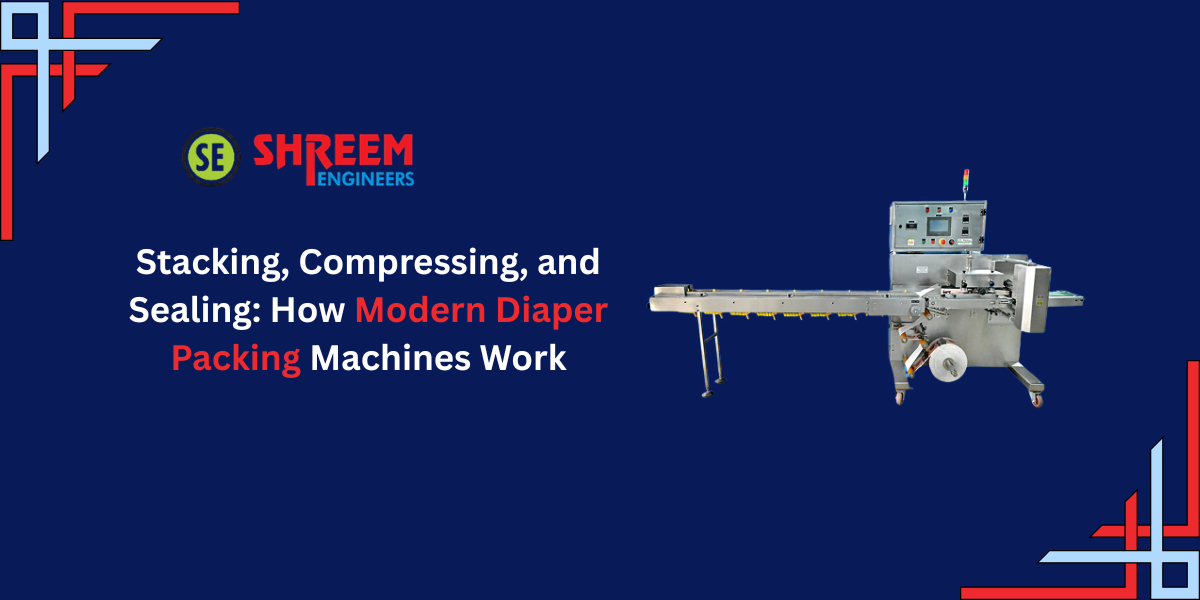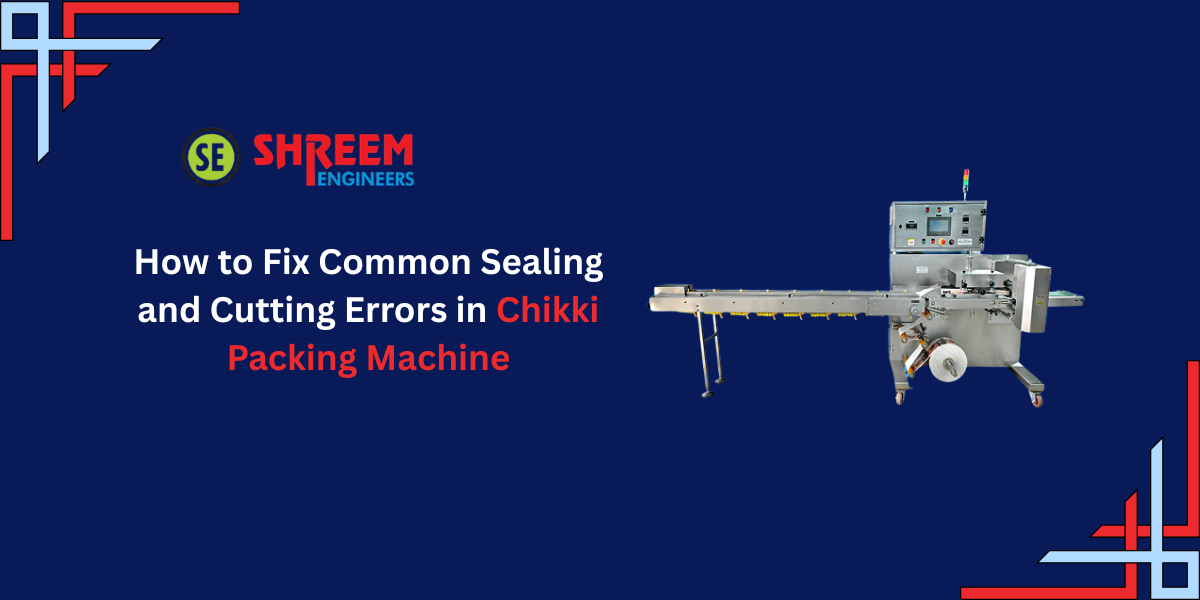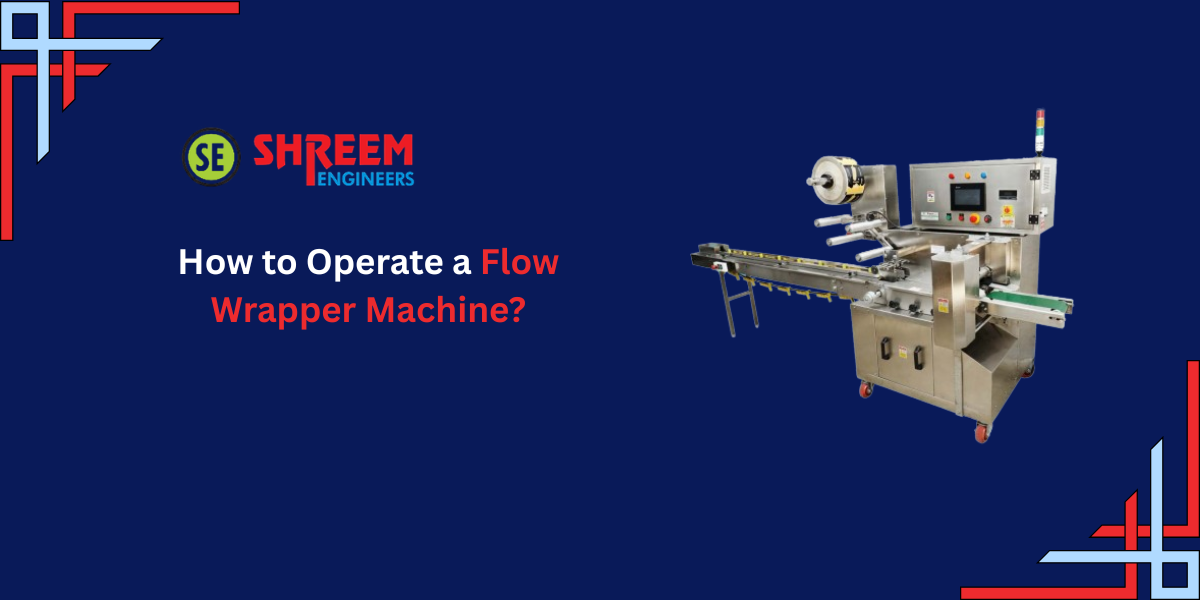
Operating a flow wrapper machine comes down to three things – setting the film right, getting seal temperature correct, and matching speed to your product. Skip anyone, and the packs show it immediately.
A new operator at a soap unit in Indore once ran an entire shift with loose seals before anyone caught it. Turned out to be a five-minute fix once someone checked the jaw pressure. The whole batch could’ve been saved if that check had happened an hour earlier.
What Are the First Steps to Start a Flow Wrapper Machine?
Check the film roll, the seal jaws, and the conveyor alignment before switching anything on.
Most early mistakes trace back to skipping this. A flow wrapper machine that starts with a misaligned roll or dirty jaws will spit out damaged packs from cycle one.
- Load the film and make sure it sits straight on the holder
- Wipe down the seal jaws – old film residue builds up fast
- Run a hand over the conveyor belt to check nothing’s sticking or dragging
How Do You Set the Correct Film Tension on a Flow Wrapper Machine?
Adjust the brake on the film unwind unit until the film feeds smoothly, not sagging, not pulled tight either.
Too loose and you get wrinkles during sealing. Too tight and the film tears or jams the run. Getting tension right is less about one perfect number and more about small adjustments until it looks right.
- Run a few test packs after every tension change
- Watch the fin seal area closely for wrinkles forming
- Recheck tension every time you switch to a new film roll
What Temperature Settings Work Best on a Flow Wrapper Machine?
It depends on the film, but most BOPP and PVC films seal cleanly somewhere between 120°C and 160°C on the jaws.
Too low, and seals stay weak, the kind that pop open in transit. Too high, and the film starts melting or warping. Controls usually split between the fin seal and end seals, so check both, not just one.
How Do You Match Speed Settings to Your Product on a Flow Wrapper Machine?
Start slow, check seal quality, then bump the speed up gradually until output rises without the packs falling apart.
A lot of new operators rush this, assuming the machine adjusts instantly. It doesn’t. Give it a short settling period after any speed change, more so when switching between product sizes.
- Start around 60 to 70 percent of the rated speed on new products
- Check ten packs in a row before pushing speed further
- Slow down when the second seal starts looking off
What Common Mistakes Should You Avoid While Running a Flow Wrapper Machine?
Don’t ignore small seal defects, skip tension checks, or let the line run for hours without a quick inspection break.
Small problems at the start of a shift only get worse, never better, the longer the run continues. Catching an issue within the first few packs saves far more film and product than fixing it an hour later.
- Stop the line the moment a seal looks torn or wrinkled
- Check jaw pressure at the start of every shift, not just once a week
- Clean film guides often – build-up there messes with tension fast
How Do You Maintain a Flow Wrapper Machine for Long-Term Performance?
Daily cleaning, weekly lubrication checks, and a periodic look at the seal jaws and belts keep things running properly.
A flow wrapper machine that goes without regular upkeep drifts out of calibration slowly, and most operators don’t catch it until pack quality has dropped. Routine maintenance catches that drift early.
- Clean the film guides and seal jaws at the end of each shift
- Lubricate moving parts on whatever schedule the manufacturer gives you
- Check belts and rollers weekly for wear or misalignment
Where Can You Get Training and Support for Your Flow Wrapper Machine?
Go straight to the manufacturer for training, since they know the exact settings and the issues that come up most often.
Shreem Engineers supplies flow wrapper machines along with operator guidance built around real production conditions across Indian factories. Their support doesn’t stop at installation – they handle the day-to-day questions that pop up once the machine’s running on your floor.
Skip the trial-and-error approach if you can. Proper hands-on training during installation saves a lot of headaches later.
For reliable packaging performance and operator-friendly controls, explore Shreem Engineers’ Flow Wrapping Machine designed for consistent sealing and efficient production.
Frequently Asked Questions
Q1. How long does it take to learn to operate a flow wrapper machine?
Most operators pick up the basics within a few days, though real confidence usually takes a few weeks of regular use.
Q2. What causes loose seals on a flow wrapper machine?
Loose seals usually come down to wrong jaw pressure, low seal temperature, or worn-out sealing parts.
Q3. Can one operator run a flow wrapper machine alone?
Yes, most flow wrapper machines are built for single-operator handling once the setup is done.
Q4. How often should a flow wrapper machine be serviced?
Daily cleaning matters most, while deeper mechanical servicing is usually needed every few months depending on use.
Q5. What should you check first if packs come out damaged?
Check film tension and seal jaw temperature first – these two cause most early packaging problems.
Follow us on YouTube to learn how to set film tension, sealing temperature, and speed for smooth flow wrapper machine operation.