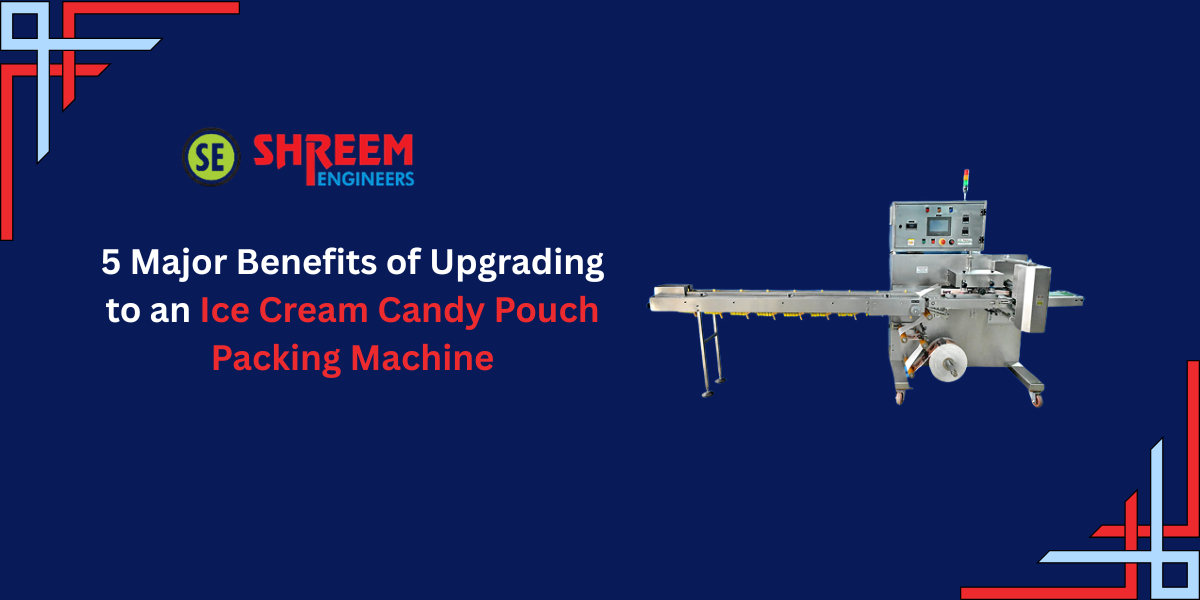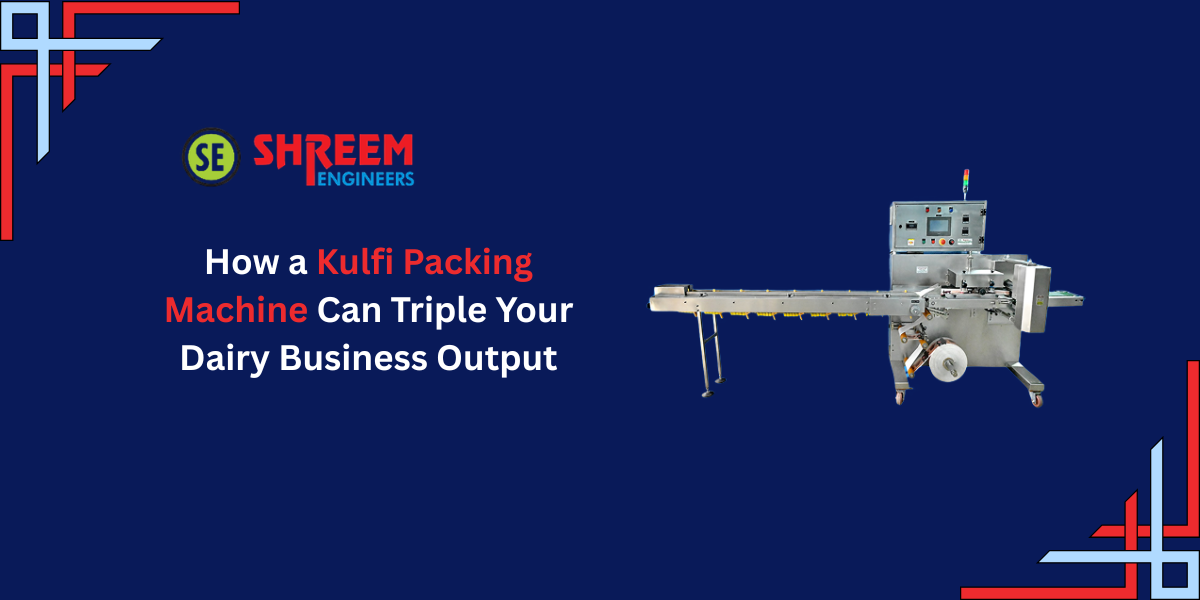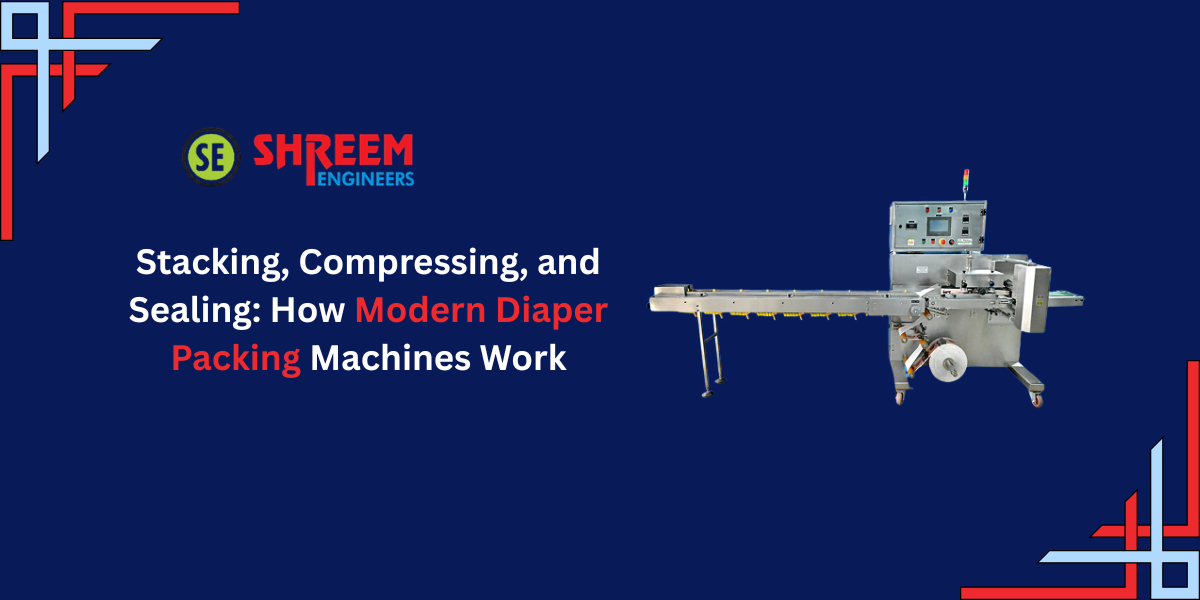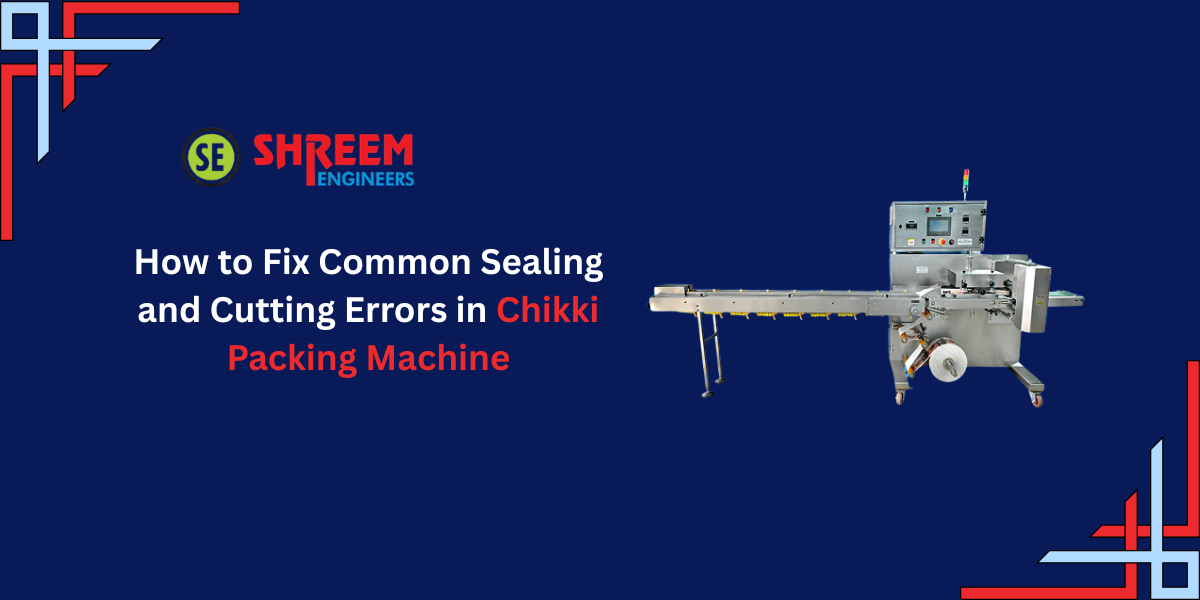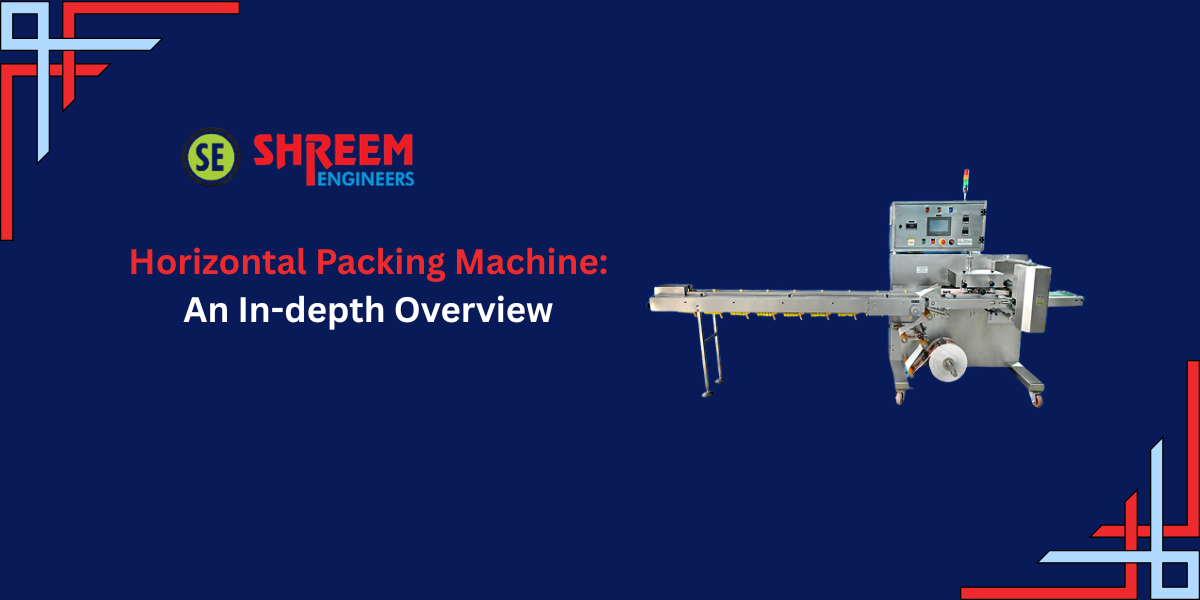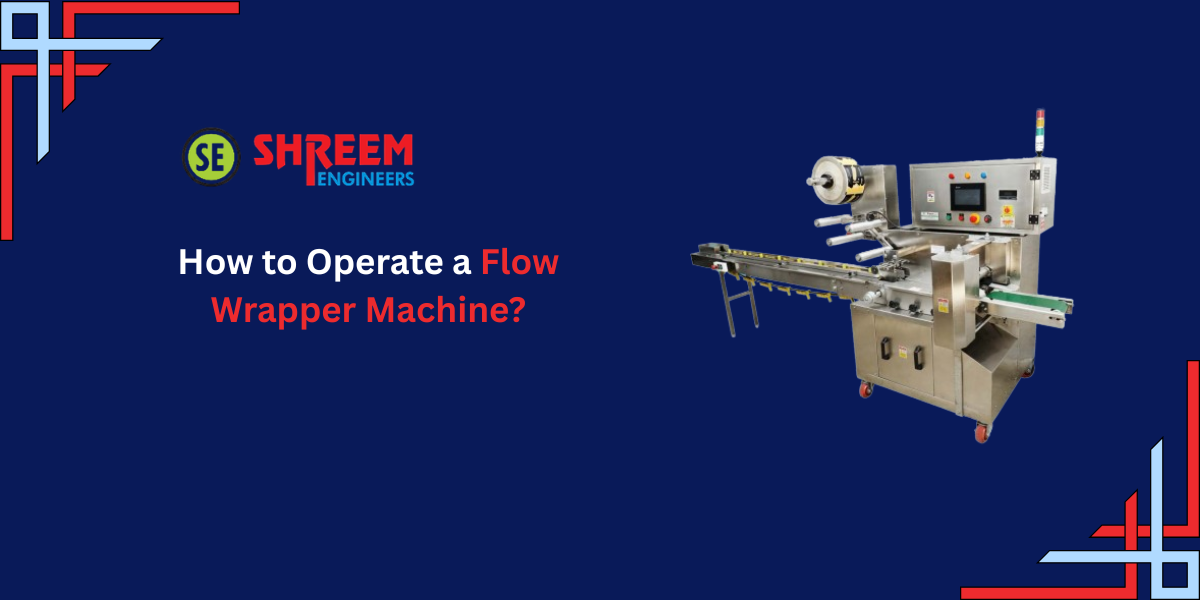
Horizontal flow wrappers shape and seal a product inside a flat film envelope, moving the pack sideways through the machine instead of dropping it down. That sideways motion is the whole reason the final pack looks clean and flat instead of crumpled.
A snack manufacturer in Pune kept losing biscuits to damage before they even left the warehouse. Crushed packs, torn film, half the batch unsellable. Switching to horizontal flow wrappers fixed most of it within the first production run.
Why Do Horizontal Flow Wrappers Matter for Product Presentation?
They matter because how a product sits inside its pack decides how it looks on a shelf, and a flat, even fold beats a crumpled one every single time.
People judge packaging before they judge what’s inside it. A tight, neat wrap says fresh and well-made. A loose, wrinkled one says the opposite, even when the product itself is perfectly fine.
- Even film tension keeps the pack looking sharp on display
- Flat-lay handling stops dents from forming during wrapping
- Seals land in the same spot every time, so units look identical on the shelf
How Does Package Formation Work on Horizontal Flow Wrappers?
It happens in three steps – film forms around the product, side seals close the ends, and a fin seal shuts the back.
The product rides along a flighted conveyor while film unrolls underneath it. As it moves forward, the film folds over the top and seals along the length. Cross-seal jaws then cut and seal each pack at fixed intervals.
None of this stops the line. That’s really the whole advantage over the older intermittent machines that paused for every cycle.
What Types of Products Suit Horizontal Flow Wrappers Best?
Flat, rigid, or semi-rigid products suit these machines best, since they hold their shape moving through forming and sealing.
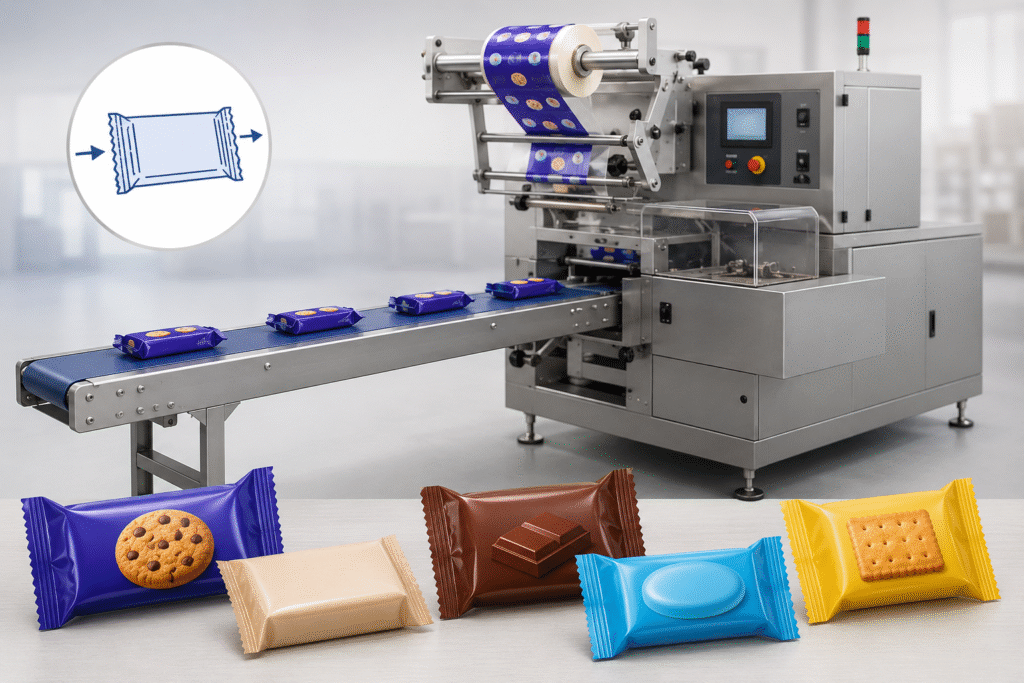
Biscuits, soap bars, chocolate bars, stationery, small boxed goods – all of it runs fine on this format. Softer or oddly shaped products sometimes need extra tooling, but most standard retail items pass through without issue.
| Product Type | Fit for Horizontal Flow Wrappers | Common Industry |
| Biscuits and cookies | Excellent | Food |
| Soap bars | Excellent | Personal care |
| Chocolate bars | Good | Confectionery |
| Stationery items | Good | General retail |
| Soft bakery items | Needs extra tooling | Food |
Which Features Improve Product Presentation on Horizontal Flow Wrappers?
Servo-driven film feed and adjustable sealing jaws make the biggest difference here, since they keep every pack consistent no matter how fast the line runs.
Manual or semi-automatic setups tend to drift as the shift goes on. Servo controls correct for that on their own, and that matters far more than most buyers realise until they’ve run a long shift without it.
- Servo-driven film unwind keeps tension steady across the run
- Adjustable crimp pressure stops seals from tearing or going loose
- Print registration keeps branding centred on every single pack
- Quick-change tooling cuts downtime between product changeovers
How Do Horizontal Flow Wrappers Handle Speed Without Losing Pack Quality?
They rely on continuous motion – film and product move together rather than stopping for each seal cycle.
Older intermittent machines stopped the line for every seal, which capped speed and wore parts down faster. Continuous-motion horizontal flow wrappers skip that stop-start pattern altogether, so output climbs without the seal quality dropping.
Plants running high-volume snack or soap lines usually notice this first, since even a small speed bump adds up fast across a full shift.
What Should Manufacturers Check Before Choosing Horizontal Flow Wrappers?
Check product dimensions, film compatibility, and required output speed first – these three things decide whether a machine actually fits your line or just looks good on paper.
A machine built for small, light products struggles with bulkier ones. The reverse holds too. Getting this match right upfront saves a lot of grief later.
- Confirm the minimum and maximum product size the machine handles
- Check film compatibility – BOPP, PVC, laminates, whatever you’re using
- Match output speed to your daily targets, not just peak capacity
- Ask how long the changeover takes between different product sizes
Where Can You Get Reliable Horizontal Flow Wrappers for Your Production Line?
Reliable machines come from manufacturers who understand both the engineering side and what actually happens on a busy production floor.
Shreem Engineers builds horizontal flow wrappers around real production problems – film handling, seal consistency, long runs without drift. Their machines are built for Indian manufacturing conditions and scale with growing output needs.
Before you finalise anything, ask to see the machine run with your actual product. A standard demo sample won’t tell you much.
For reliable wrapping of biscuits, chocolates, soaps, and other solid products, explore Shreem Engineers’ Horizontal Flow Wrapping Machine designed for clean sealing and consistent output.
Frequently Asked Questions
Q1. What makes horizontal flow wrappers different from vertical wrapping machines?
They move the product flat through the machine, which suits rigid and semi-rigid products better than vertical systems do.
Q2. Can horizontal flow wrappers handle different pack sizes on the same line?
Yes, most modern machines allow quick tooling changes so different pack sizes run with minimal downtime.
Q3. Do horizontal flow wrappers work well for high-speed production lines?
Yes, continuous-motion models are built specifically to hold seal quality even when running fast.
Q4. What film types work with horizontal flow wrappers?
Most support BOPP, PVC, and laminate films, though exact compatibility depends on the machine model.
Q5. Are horizontal flow wrappers suitable for small-scale manufacturers?
Yes, several manufacturers offer compact versions built for smaller volumes and tighter floor space.
Follow us on YouTube to see how horizontal flow wrappers form, seal, and cut products into clean retail-ready packs at high speed.